5th Policy Coordination Instrument (PCI) Review Highlights Rwanda’s Strong Growth and Strategic Reforms Amid Global Challenges

April 4, 2025
The Government of Rwanda and IMF staff have reached a staff-level agreement under the fifth review of the Policy Coordination Instrument (PCI), which has been in place since December 2022. Over the past two weeks of constructive discussions, it was reaffirmed that Rwanda’s economy remains strong and resilient, maintaining a positive outlook despite ongoing global and domestic challenges.
This is reflected in Rwanda’s impressive 8.9% GDP growth in 2024, placing it among the fastest-growing economies in sub-Saharan Africa, driven by strong performance across agriculture, industry (particularly construction), and services such as trade, tourism, transport, and telecommunications. Labor market conditions also improved, with a notable increase in labor force participation and a drop in the unemployment rate in 2024.
Macroeconomic conditions continued to improve. Inflation stabilized within the National Bank of Rwanda’s target range at 4.8% by end 2024, driven by improved food production and effective monetary policy. The fiscal deficit came in lower than expected, supported by stronger-than-projected tax revenues and well-targeted spending on capital projects and VAT refunds. Rwanda’s financial sector remained sound, with robust credit growth and a decline in non-performing loans, while improvements in Q4 exports and sustained multilateral inflows helped ease external pressures and stabilize the Rwandan franc, which depreciated by only 9.4%, down from 18% in 2023. International reserves increased to 5.4 months of import coverage, at the end of 2024 enhancing resilience to external shocks.
This strong performance is fully aligned with the PCI program objectives. All quantitative targets were met, and key structural reforms—including those on domestic revenue mobilization, SOE fiscal risk monitoring, corporate governance, and financial statistics transparency—were successfully completed. The completion of the IMF Standby Credit Facility (SCF) in February 2025 also played a critical role in stabilizing external imbalances and boosting reserves.
Looking ahead, the newly approved tax package is expected to further enhance revenue mobilization, placing the tax-to-GDP ratio on a positive trajectory. In 2025, Rwanda will also launch Phase II of the Bugesera International Airport and the expansion of RwandAir, in partnership with the Qatar Investment Authority. These strategic investments are expected to strengthen long-term growth and regional connectivity, while preserving fiscal sustainability and rebuilding the policy space needed to respond to future shocks.
Topics
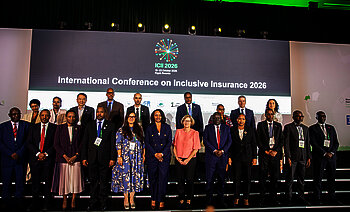
Rwanda Hosts ICII 2026 to Expand Inclusive Insurance and Build Resilience
Rwanda is hosting the International Conference on Inclusive Insurance (ICII) 2026 in Kigali, bringing together leaders from the public and private…

Rwanda and IMF Reach Agreement on First Review of Extended Credit Facility Program
Kigali, October 6, 2026 — The Government of Rwanda has concluded discussions with the International Monetary Fund (IMF) on the first review of the…
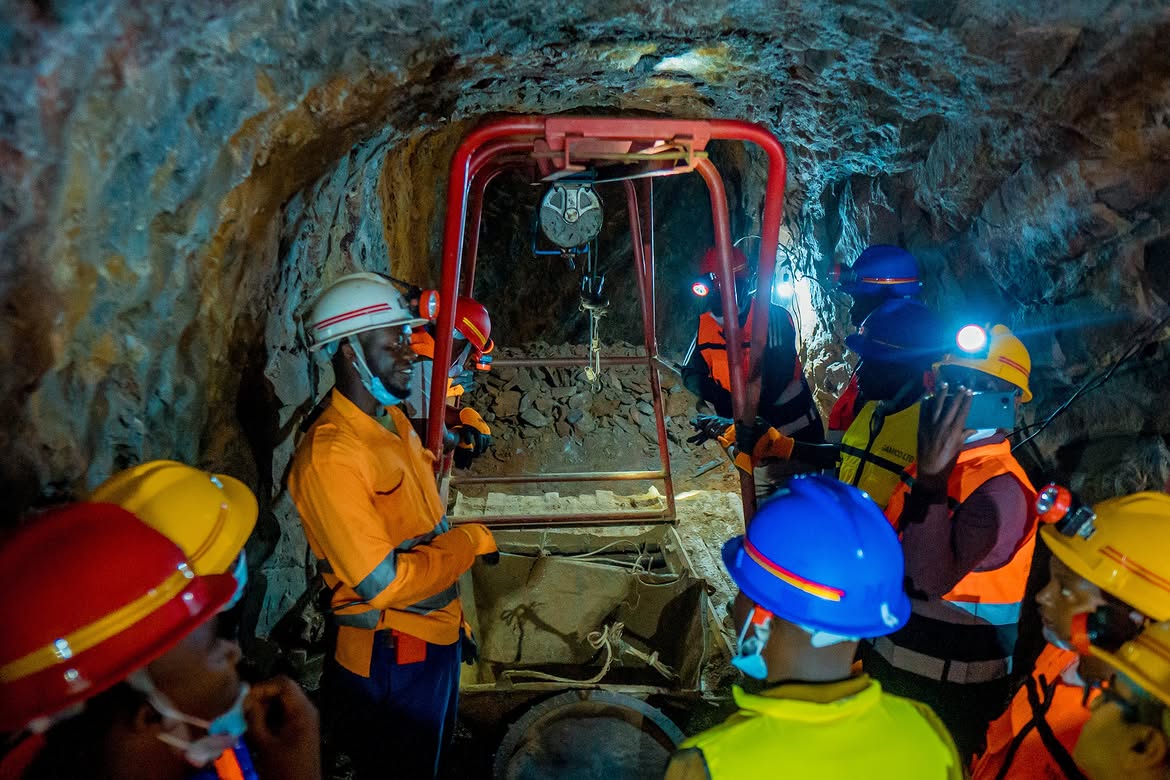
Rwanda Explores Climate Insurance to Protect Miners and Quarry Workers
Mining and quarrying are one of Rwanda's fastest-growing sectors, employing about 92,000 people in 2025. Yet many workers, especially casual and…

Cabinet Approves Rwanda Development Cooperation Policy 2026–2050
Cabinet has approved the Rwanda Development Cooperation Policy (RDCP) 2026–2050, replacing the Aid Policy of 2006 and reflecting the evolving global…

Rwanda Marks World Population Day
Nyagatare, 17 September 2026 —Rwanda marked the 2026 World Population Day in Nyagatare District, bringing together government representatives, young…

Rwanda’s Economy Grows by 9.4% in Q2 2026
Rwanda’s economy remained resilient in the second quarter of 2026, growing by 9.4% supported by strong performance in industry, services and…

Fitch Reaffirms Rwanda’s ‘B+’ Credit Rating with a Stable Outlook
Rwanda’s creditworthiness remains resilient. Fitch Ratings has reaffirmed Rwanda’s Long-Term Foreign-Currency Issuer Default Rating at ‘B+’, with a…

Rwanda Hosts ESAAMLG Annual Meetings to Strengthen Regional Response to Financial Crime
Kigali, 7 September 2026 – Rwanda hosted the 2026 Annual Meeting of the Eastern and Southern Africa Anti-Money Laundering Group (ESAAMLG), bringing…

Rwanda Closes Dual-Currency EUR/JPY Commercial Loan Facility
Kigali August 26, 2026: The Ministry of Finance and Economic Planning of the Republic of Rwanda (B+/B2/B+) announces the successful closing of a…