Economy grew by 7.9% in 1st Quarter with key contributions from Services and Industry

Rwanda’s economy grew by 7.9% in the first quarter of 2022 continuing the recovery that started last year.
According to figures released by the Institute of Statistics of Rwanda (NISR) earlier today, GDP at current market prices was estimated to be Frw 3,025 billion, up from Frw 2,588 billion in the first quarter of 2022. Services contributed 47%, agriculture 23%, industry contributed 22% while net direct taxes accounted for 8% to GDP.
In terms of growth, agriculture grew by 1% while industry and services registered 10% and 11% growth respectively. The dismal agriculture sector growth is attributed to poor performance of season A, caused by adverse weather. Food crops production decreased by 1% while export crops decreased by 14%. Growth in the industry sector was boosted by 16% increase in mining and quarrying, 11% in manufacturing and 6% in construction activities. Overall performance of the service sector is attributed to various sub-sectors growths such as wholesale and retail trade which increased by 7% and transport activities by 19%.
Despite significant growth of the service and industry sector, agriculture remains an important component of Rwanda’s economic structure. “Agriculture is very important part of our economy. Is industry overtaking agriculture in terms of GDP contribution? Not yet. However, it is encouraging to see services and industry positively continue to grow. Over long term the objective is to see our economic structure transform from agrarian to industry and services driven,” Dr. Uzziel Ndagijimana, the Minister of Finance and Economic Planning pointed out.
Unpredictability of the agriculture sector caused by its dependency to climatic conditions continues to apply constant inflationary pressures. However, Ivan Murenzi, NISR deputy Director General believes these can be counteracted by policies instituted by Government such as, land consolidation, use of fertilizers as well as heavy investments in irrigation.
Government has invested heavily in transforming the agriculture sector to contribute to the overall economic development. For instance, over the past five years, it has contributed at least 10% of total budget into agriculture annually, which is in line with the Malabo Declaration on committing to The Comprehensive African Agriculture Development Program (CAADP)
Topics
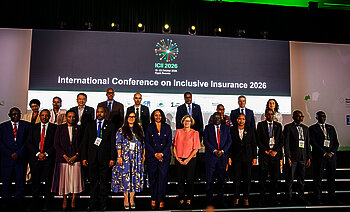
Rwanda Hosts ICII 2026 to Expand Inclusive Insurance and Build Resilience
Rwanda is hosting the International Conference on Inclusive Insurance (ICII) 2026 in Kigali, bringing together leaders from the public and private…

Rwanda and IMF Reach Agreement on First Review of Extended Credit Facility Program
Kigali, October 6, 2026 — The Government of Rwanda has concluded discussions with the International Monetary Fund (IMF) on the first review of the…
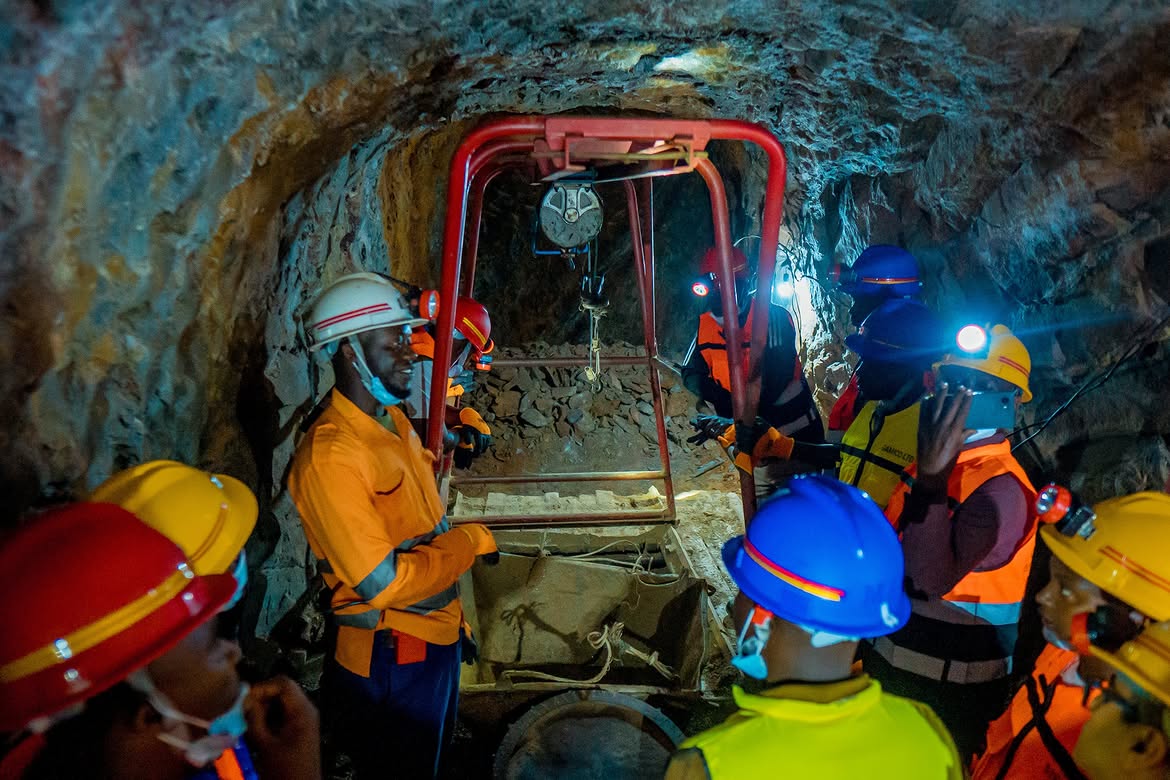
Rwanda Explores Climate Insurance to Protect Miners and Quarry Workers
Mining and quarrying are one of Rwanda's fastest-growing sectors, employing about 92,000 people in 2025. Yet many workers, especially casual and…

Cabinet Approves Rwanda Development Cooperation Policy 2026–2050
Cabinet has approved the Rwanda Development Cooperation Policy (RDCP) 2026–2050, replacing the Aid Policy of 2006 and reflecting the evolving global…

Rwanda Marks World Population Day
Nyagatare, 17 September 2026 —Rwanda marked the 2026 World Population Day in Nyagatare District, bringing together government representatives, young…

Rwanda’s Economy Grows by 9.4% in Q2 2026
Rwanda’s economy remained resilient in the second quarter of 2026, growing by 9.4% supported by strong performance in industry, services and…

Fitch Reaffirms Rwanda’s ‘B+’ Credit Rating with a Stable Outlook
Rwanda’s creditworthiness remains resilient. Fitch Ratings has reaffirmed Rwanda’s Long-Term Foreign-Currency Issuer Default Rating at ‘B+’, with a…

Rwanda Hosts ESAAMLG Annual Meetings to Strengthen Regional Response to Financial Crime
Kigali, 7 September 2026 – Rwanda hosted the 2026 Annual Meeting of the Eastern and Southern Africa Anti-Money Laundering Group (ESAAMLG), bringing…

Rwanda Closes Dual-Currency EUR/JPY Commercial Loan Facility
Kigali August 26, 2026: The Ministry of Finance and Economic Planning of the Republic of Rwanda (B+/B2/B+) announces the successful closing of a…