GOVERNMENT ANNOUNCES FRW 5,030.1 BILLION BUDGET; PUTS EMPHASIS ON ECONOMIC RECOVERY, CLIMATE CHANGE MITIGATION AND IMPLEMENTATION OF NST1 KEY PROJECTS

Thursday June 15, 2023: The Minister of Finance and Economic Planning, Dr. Uzziel Ndagijimana this afternoon presented the 2023/24 National Budget to Parliament on behalf of the Government.
The Frw 5,030.1 billion budget proposal for 2023/2024 fiscal year represents Frw 265.3 billion or 6% increase compared to Frw 4,764.8 announced in the 2022/23 revised budget. The rise in spending will fuel ongoing economic recovery, support climate change mitigation as well as finance key investments in education, healthcare, ICT, agriculture and infrastructure through the National Strategy for Transformation.
“The budget reflects Government’s economic resilience efforts in the face of global shocks. Government will continue to prioritize fiscal consolidation, ease inflation and invest in agriculture, scale up social protection coverage; improve the quality of education, create employment opportunities and support micro, small, medium and large enterprises affected by COVID-19 through the enhanced Economic Recovery Fund and Manufacture and Build to Recover Program”, Minister Ndagijimana told Parliamentarians.
Key changes in the 2023/2024 Budget
Estimated total resources for the fiscal year 2023/24 will amount to Frw 5,030.1 billion. The proposed budget is comprised of Frw 2,956.1 billion of domestic revenue which represents 63% of the total budget, external grants of Frw 652.1 billion representing 13% of the entire budget and external loans will amounting to Frw 1,225.1 billion or 24% of the total budget
Total expenditure in the fiscal year 2023/24 is projected at Frw 5,030.1 billion. This figure is made up of recurrent expenditure of Frw 2,902.3 billion representing 57.7% and development expenditure of Frw 2,127.7 billion representing 42.3%.
Key allocations in line with the National Strategy for Transformation
Prioritization in resource allocation to various sectors has been guided by critical considerations that enhance NST1 delivery, economic recovery plan interventions, prioritization of ongoing projects, emphasis on transformation and sustainability as well as resilience to social economic shocks. In this regard, Government will allocate Frw 2.8 trillion (about 55.9% of the entire budget) to the Economic Transformation Pillar. These resources will scale-up agriculture productivity, create jobs, support private sector development and strengthen climate change adaptation and mitigation measures. It will also increase access to electricity and clean water, support urbanization and settlement, improve the national road network, scale up adoption of ICT, and implement agriculture de-risking and financing facility.
Social Transformation
Under the social transformation pillar, Government will allocate Frw about Frw1.5 trillion (approximately 30.4% of the entire budget). The budget share will be spent on improving quality and access to health and education, eradicate extreme poverty through scaling up of social protection programs, improve nutrition through early detection, provision of fortified foods and scaling of early childhood development facilities. The funds will also promote family and gender, sports and culture as well as disaster management through enhancing disaster preparedness, response and recovery.
Transformational Governance
Under the transformational governance pillar, Government plans to spend Frw 690.1 billion (about 13.7 % of the total budget). This allocation will focus on promotion of quality service delivery across public and private sectors, good governance and transformational leadership, strengthening public finance management, strengthening justice, law and order, maintaining peace and security and strengthening crime prevention as well as supporting international cooperation through strengthening economic diplomacy.
With regard to internal or external factors that may affect Rwanda’s operating economic environment, such as drought or decrease in global commodity prices that may affect the country’s export prices, Government will closely monitor such developments and take necessary measures to ensure full implementation of Rwanda’s economic program.
Topics
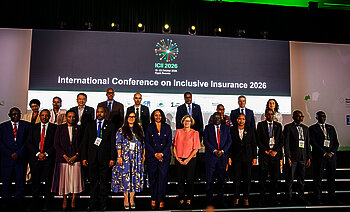
Rwanda Hosts ICII 2026 to Expand Inclusive Insurance and Build Resilience
Rwanda is hosting the International Conference on Inclusive Insurance (ICII) 2026 in Kigali, bringing together leaders from the public and private…

Rwanda and IMF Reach Agreement on First Review of Extended Credit Facility Program
Kigali, October 6, 2026 — The Government of Rwanda has concluded discussions with the International Monetary Fund (IMF) on the first review of the…
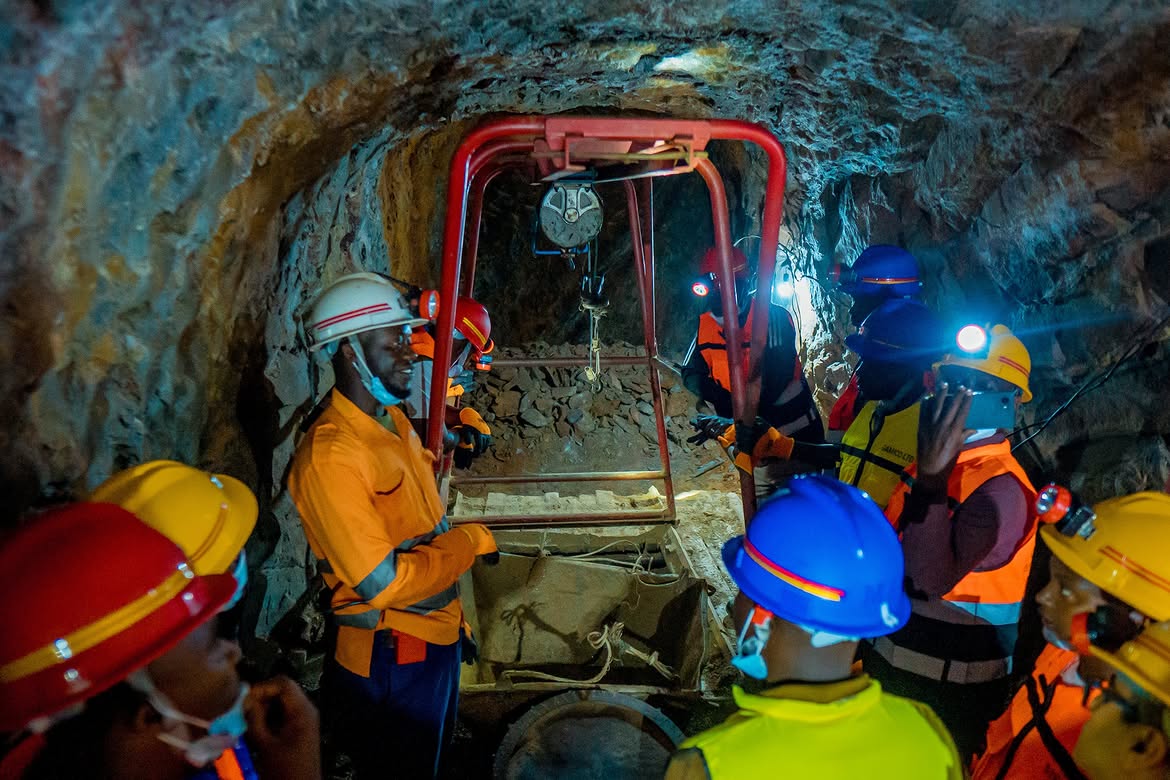
Rwanda Explores Climate Insurance to Protect Miners and Quarry Workers
Mining and quarrying are one of Rwanda's fastest-growing sectors, employing about 92,000 people in 2025. Yet many workers, especially casual and…

Cabinet Approves Rwanda Development Cooperation Policy 2026–2050
Cabinet has approved the Rwanda Development Cooperation Policy (RDCP) 2026–2050, replacing the Aid Policy of 2006 and reflecting the evolving global…

Rwanda Marks World Population Day
Nyagatare, 17 September 2026 —Rwanda marked the 2026 World Population Day in Nyagatare District, bringing together government representatives, young…

Rwanda’s Economy Grows by 9.4% in Q2 2026
Rwanda’s economy remained resilient in the second quarter of 2026, growing by 9.4% supported by strong performance in industry, services and…

Fitch Reaffirms Rwanda’s ‘B+’ Credit Rating with a Stable Outlook
Rwanda’s creditworthiness remains resilient. Fitch Ratings has reaffirmed Rwanda’s Long-Term Foreign-Currency Issuer Default Rating at ‘B+’, with a…

Rwanda Hosts ESAAMLG Annual Meetings to Strengthen Regional Response to Financial Crime
Kigali, 7 September 2026 – Rwanda hosted the 2026 Annual Meeting of the Eastern and Southern Africa Anti-Money Laundering Group (ESAAMLG), bringing…

Rwanda Closes Dual-Currency EUR/JPY Commercial Loan Facility
Kigali August 26, 2026: The Ministry of Finance and Economic Planning of the Republic of Rwanda (B+/B2/B+) announces the successful closing of a…