Government and Stakeholders discuss Climate Finance Integration and Responsible Spending

Kigali, Rwanda – November 27, 2024 – The Ministry of Finance and Economic Planning in collaboration with key stakeholders including development partners, the private sector, and civil society organizations, convened the Public Finance Management Coordination Forum to discuss the critical integration of climate finance and fiscal responsibility.
Rwanda has long demonstrated its commitment to sustainable development and climate resilience, recognizing the profound impacts of climate change on its economy and society. It recognizes that achieving the climate goals is not just an environmental necessity but an economic imperative, as climate finance serves as the lifeblood of our journey towards a greener and more resilient future.
To meet its Nationally Determined Contributions (NDCs) under the Paris Agreement, Rwanda has identified a financing need of USD 6.2 billion from 2020 to 2030. Additionally, the country requires an extra USD 107.7 million to fulfill its biodiversity goals, highlighting the magnitude of the challenges ahead.
To address these financial needs, Rwanda is implementing the Climate and Nature Finance Strategy, which reflects a holistic approach aimed at mobilizing and managing financial resources for addressing both climate change and biodiversity conservation, with a focus on promoting sustainable development that benefits people and the environment.
“Scaling climate finance is essential but maintaining fiscal responsibility remains equally critical. Rwanda’s strong governance framework and commitment to transparency guides its financial decisions, ensuring that resources are effectively allocated to achieve both climate and economic objectives, said Richard Tusabe, the Minister of State for National Treasury.
Laurent Preud’homme , Chargé d’affaires and Head of Cooperation at the Belgium Embassy to Rwanda and co-chair of the PFM sector Coordination Forum said: It very important to build the capacity of the GoR to finance its adaptation to increasingly severe climate risks as well as to improve efficient local service delivery in order to support achievement of the second National Strategy For transformation (NST2).
The Public Finance Management Coordination Forum serves as a vital venue for stakeholders to engage in meaningful discussions about public finance management, fostering collaboration and innovation to enhance Rwanda’s fiscal policies. By uniting government officials, development partners, and private sector leaders, the forum aims to build a resilient future for all Rwandans.
Topics
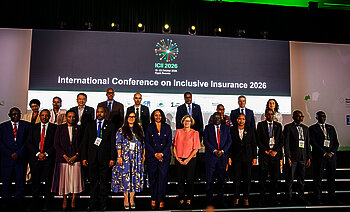
Rwanda Hosts ICII 2026 to Expand Inclusive Insurance and Build Resilience
Rwanda is hosting the International Conference on Inclusive Insurance (ICII) 2026 in Kigali, bringing together leaders from the public and private…

Rwanda and IMF Reach Agreement on First Review of Extended Credit Facility Program
Kigali, October 6, 2026 — The Government of Rwanda has concluded discussions with the International Monetary Fund (IMF) on the first review of the…
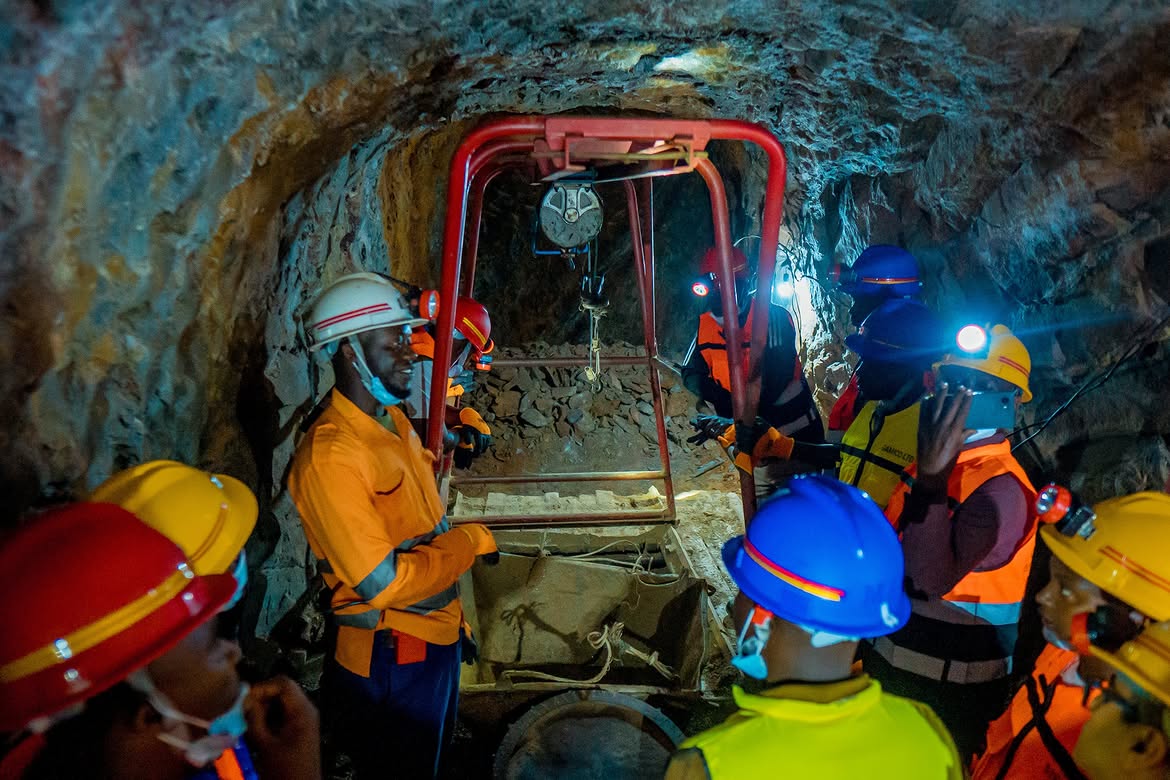
Rwanda Explores Climate Insurance to Protect Miners and Quarry Workers
Mining and quarrying are one of Rwanda's fastest-growing sectors, employing about 92,000 people in 2025. Yet many workers, especially casual and…

Cabinet Approves Rwanda Development Cooperation Policy 2026–2050
Cabinet has approved the Rwanda Development Cooperation Policy (RDCP) 2026–2050, replacing the Aid Policy of 2006 and reflecting the evolving global…

Rwanda Marks World Population Day
Nyagatare, 17 September 2026 —Rwanda marked the 2026 World Population Day in Nyagatare District, bringing together government representatives, young…

Rwanda’s Economy Grows by 9.4% in Q2 2026
Rwanda’s economy remained resilient in the second quarter of 2026, growing by 9.4% supported by strong performance in industry, services and…

Fitch Reaffirms Rwanda’s ‘B+’ Credit Rating with a Stable Outlook
Rwanda’s creditworthiness remains resilient. Fitch Ratings has reaffirmed Rwanda’s Long-Term Foreign-Currency Issuer Default Rating at ‘B+’, with a…

Rwanda Hosts ESAAMLG Annual Meetings to Strengthen Regional Response to Financial Crime
Kigali, 7 September 2026 – Rwanda hosted the 2026 Annual Meeting of the Eastern and Southern Africa Anti-Money Laundering Group (ESAAMLG), bringing…

Rwanda Closes Dual-Currency EUR/JPY Commercial Loan Facility
Kigali August 26, 2026: The Ministry of Finance and Economic Planning of the Republic of Rwanda (B+/B2/B+) announces the successful closing of a…