Revised budget puts emphasis on fighting COVID-19 pandemic and Economic Recovery

February 11, 2021: The Minister of Finance and Economic Planning Dr. Uzziel Ndagijimana today, on behalf of Government, presented the 2020/2021 revised budget to members of parliament.
Ndagijimana virtually presented the revised budget in line with cabinet resolutions to contain COVID -19 pandemic as well as the Supreme Court ruling allowing parliament to conduct virtual plenary sittings.
“The budget revision process has been informed by the economic and budget performance for the first quarter of 2020/21 which includes the assessment of the COVID-19 economic effects and provision of necessary support to vulnerable households, create jobs and support businesses,” Minister Ndagijimana said.
Key changes in FY 2020-2021 Revised Budget
The proposed revised budget presented to parliament contains key adjustments which include rise in domestic revenues due to projected increase in taxes following recovery of economic activities and businesses. Reclassification of budgetary loans to budgetary grants due to changes in disbursement plans. On the expenditure front, Government expects to increase recurrent spending to cater for COVID-19 related expenditures, increase in net lending outlays to support business through the Economic Recovery Fund as well as state corporations.
Resources
The proposed revisions to the 2020/21 budget reflect changes in the resource envelope as well as the corresponding adjustments on expenditures. As a result of the proposed changes, the total budget is projected to rise from Frw 3,245.7 billion to Frw 3,464.8 billion showing an increase of Frw 219.1 billion.
Domestic resources are expected to increase by Frw 179 billion from Frw 1,605.7 billion in the original budget to Frw 1,784.7 billion representing a 11.1 % increase.
This increment will come from all tax categories namely direct taxes, taxes on good and services and taxes on International trade as a result of economic recovery in doing business as well as improved collection of taxes
Tax revenues are projected to increase by Frw 158.5 billion, from Frw 1,421.4 billion in the original budget to Frw 1,579.9 billion. Non tax revenue is expected to increase by Frw 20.5 billion upwards from Frw 184.3 billion to Frw 204.8 billion. Grants are expected to rise by Frw 99.7 billion, upwards from Frw 492.5 billion in the original budget to Frw 592.2 billion.
Expenditure
Total expenditure is being raised from Frw 3,245.7 billion to Frw 3,464.8 billion showing a net increase of Frw 219.1 billion. The expenditure has been revised to reflect changes made under recurrent spending, capital expenditure and net lending outlays.
Recurrent Expenditure will be raised by Frw 12.4 billion from Frw 1,583.0 billion from the original budget estimate to Frw 1,595.4 billion. Capital expenditure is expected to rise by Frw 37.6 billion, from Frw 1,298.5 billion in the original budget to Frw 1,336.1 billion.
The changes majorly affect the domestically financed capital expenditures. Net lending increased by Frw 165.2 billion from Frw 306.5 billion in the original budget to Frw 471.7 billion. This increase in the Net lending outlays are mainly allocated to the Economic Recovery Fund as the continued effort of the Government to support Businesses affected by COVID-19 pandemic outbreak.
The 2020/21 revised budget is part of the revised medium term macro-economic framework that aims to continue fighting the COVID-19 pandemic outbreak which continues to take a heavy toll on Rwanda’s economy. The Government will continue to monitor closely all components of the economic performance that may affect the smooth implementation of the revised 2020/21 budget, and will take any necessary corrective measures to ensure full implementation of the budget and at the same time maintain macro-economic stability.
Topics
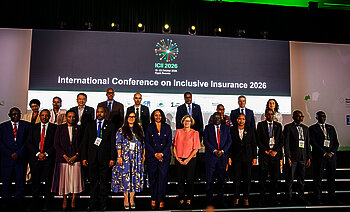
Rwanda Hosts ICII 2026 to Expand Inclusive Insurance and Build Resilience
Rwanda is hosting the International Conference on Inclusive Insurance (ICII) 2026 in Kigali, bringing together leaders from the public and private…

Rwanda and IMF Reach Agreement on First Review of Extended Credit Facility Program
Kigali, October 6, 2026 — The Government of Rwanda has concluded discussions with the International Monetary Fund (IMF) on the first review of the…
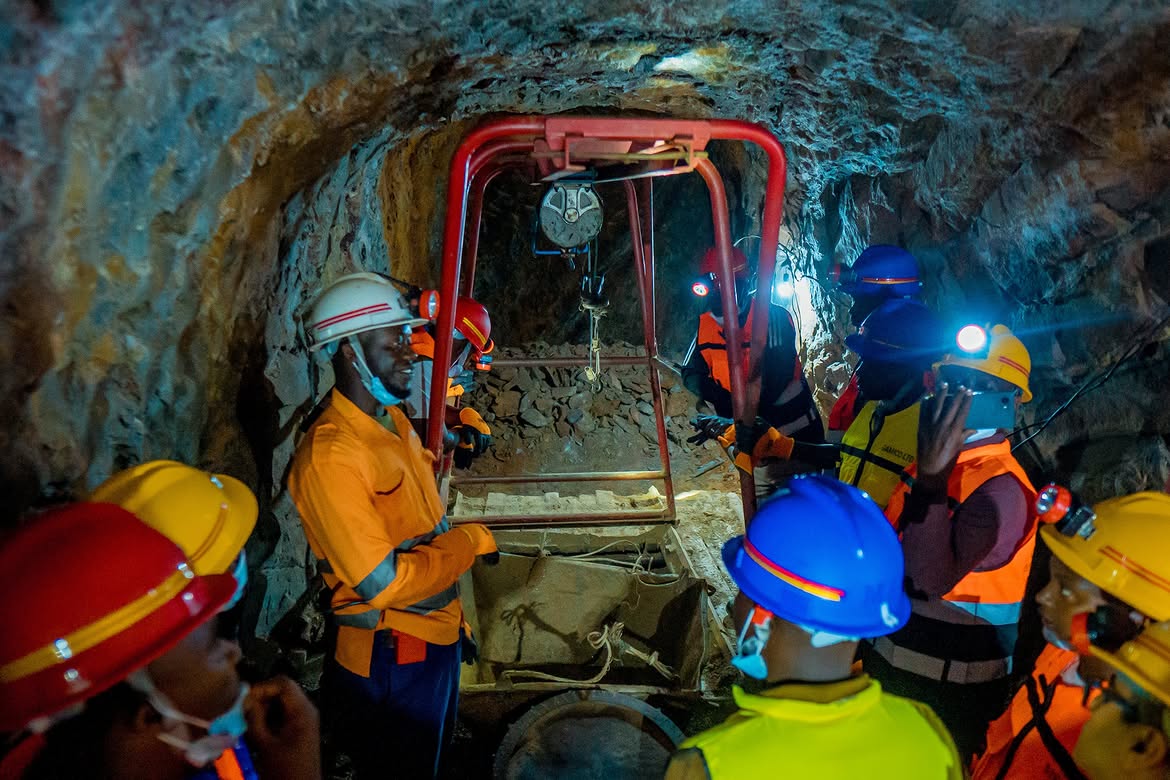
Rwanda Explores Climate Insurance to Protect Miners and Quarry Workers
Mining and quarrying are one of Rwanda's fastest-growing sectors, employing about 92,000 people in 2025. Yet many workers, especially casual and…

Cabinet Approves Rwanda Development Cooperation Policy 2026–2050
Cabinet has approved the Rwanda Development Cooperation Policy (RDCP) 2026–2050, replacing the Aid Policy of 2006 and reflecting the evolving global…

Rwanda Marks World Population Day
Nyagatare, 17 September 2026 —Rwanda marked the 2026 World Population Day in Nyagatare District, bringing together government representatives, young…

Rwanda’s Economy Grows by 9.4% in Q2 2026
Rwanda’s economy remained resilient in the second quarter of 2026, growing by 9.4% supported by strong performance in industry, services and…

Fitch Reaffirms Rwanda’s ‘B+’ Credit Rating with a Stable Outlook
Rwanda’s creditworthiness remains resilient. Fitch Ratings has reaffirmed Rwanda’s Long-Term Foreign-Currency Issuer Default Rating at ‘B+’, with a…

Rwanda Hosts ESAAMLG Annual Meetings to Strengthen Regional Response to Financial Crime
Kigali, 7 September 2026 – Rwanda hosted the 2026 Annual Meeting of the Eastern and Southern Africa Anti-Money Laundering Group (ESAAMLG), bringing…

Rwanda Closes Dual-Currency EUR/JPY Commercial Loan Facility
Kigali August 26, 2026: The Ministry of Finance and Economic Planning of the Republic of Rwanda (B+/B2/B+) announces the successful closing of a…