Rwanda Unveils Financial Sector Development Strategy 2025-2030 to Drive Inclusive Economic Transformation
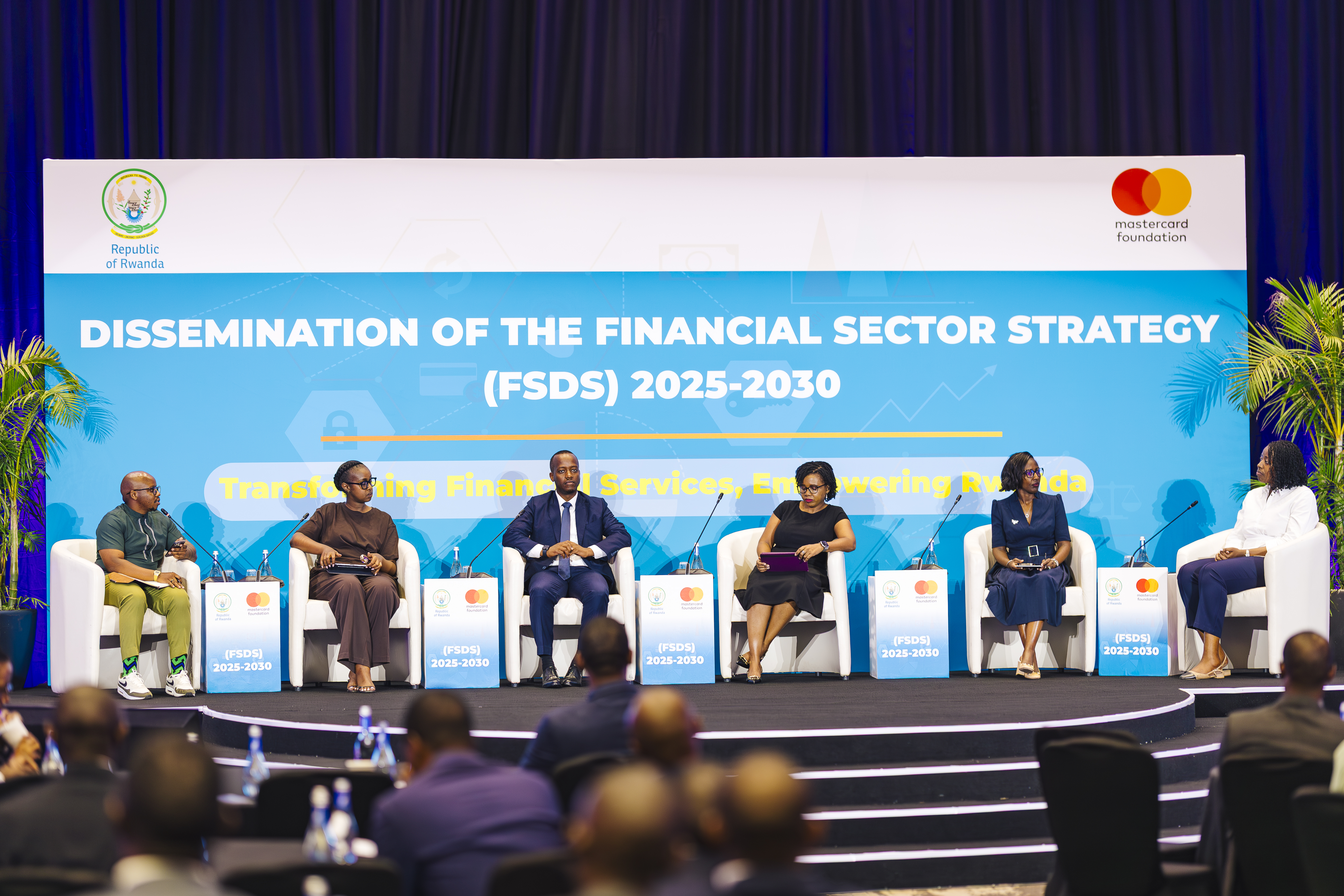
Kigali, October 16, 2025 – The Government of Rwanda today unveiled the Financial Sector Development Strategy (FSDS) 2025-2030, a comprehensive roadmap designed to build a resilient, inclusive, and innovation-driven financial sector that will further propel Rwanda's economic transformation.
The launch event held at the Kigali Convention Center convened high-level representatives from government, financial institutions, the private sector, development partners, and civil society to discuss and re-affirm commitment to the successful implementation of the strategy and to deepening collaboration across the financial ecosystem.
In his keynote address, Herbert Asiimwe, the head of the Financial Sector Development Directorate underscored the strategy's critical role in achieving Rwanda’s long-term development vision: "The FSDS is the financial engine to power our national ambitions under Vision 2050 and NST2. It is designed to boost savings mobilization, facilitate resource allocation, catalyze trade and investment and strengthen our digital financial systems. Through this strategy, we aim to expand private sector engagement create quality jobs, and ensure a more inclusive economic growth for all Rwandans.”
The FSDS 2025-2029 is a nationally developed framework that aligns the financial sector with Rwanda's broader economic growth objectives- including establishing the country as a regional financial hub through the Kigali International Financial Centre (KIFC). Its overarching goal is to transform the financial sector into a dynamic engine that efficiently mobilizes and channels capital towards Rwanda’s development needs.
Key Strategic Goals by 2029:
Double the national savings rate from 12.4% to 25.9% of GDP.
Deepen financial inclusion and literacy across the population.
Improve access to finance for underserved groups and sectors, specifically MSMEs, youth, women, and agriculture.
Catalyze private sector growth by channeling over 70% of NST2’s private sector financing through the domestic financial system.
By harnessing digital technologies, reinforcing regulatory frameworks, and fostering public-private partnerships, the FSDS 2025-2029 marks a decisive step in mobilizing the financial resources required to meet Rwanda's ambitious development targets, ensuring a stable and prosperous future for all its citizens.
Topics

Rwanda and IMF Reach Agreement on First Review of Extended Credit Facility Program
Kigali, October 6, 2026 — The Government of Rwanda has concluded discussions with the International Monetary Fund (IMF) on the first review of the…
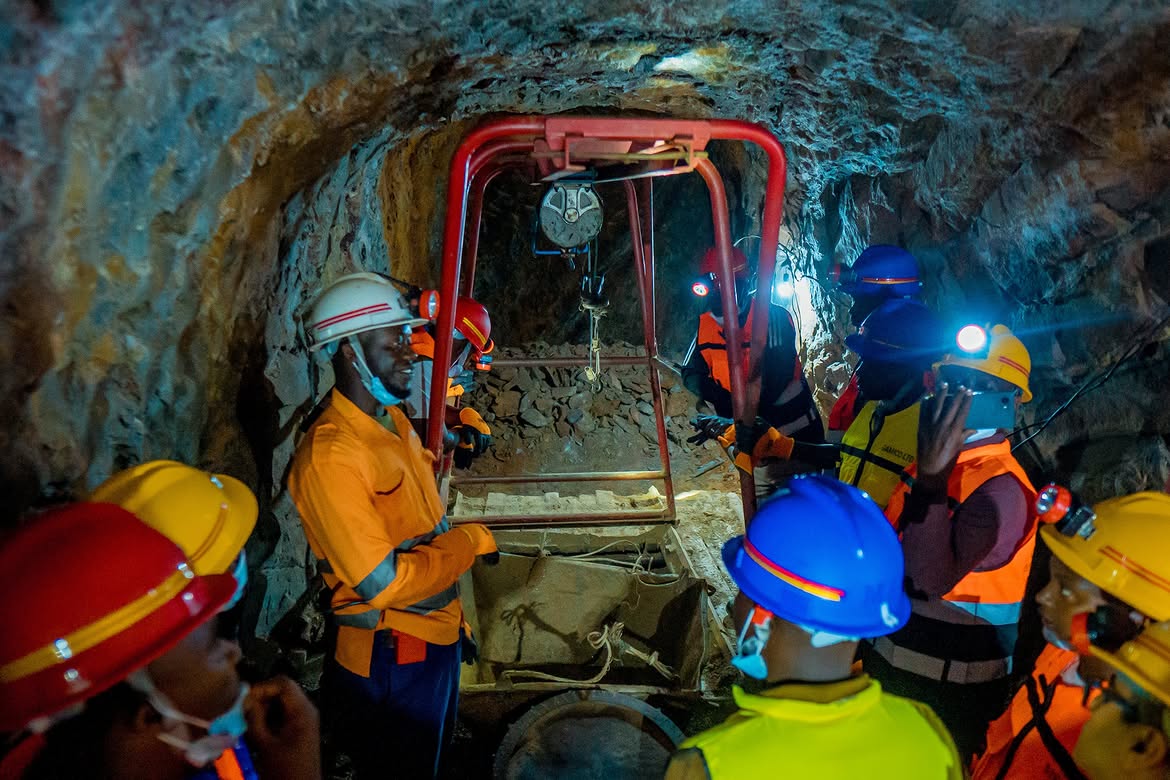
Rwanda Explores Climate Insurance to Protect Miners and Quarry Workers
Mining and quarrying are one of Rwanda's fastest-growing sectors, employing about 92,000 people in 2025. Yet many workers, especially casual and…

Cabinet Approves Rwanda Development Cooperation Policy 2026–2050
Cabinet has approved the Rwanda Development Cooperation Policy (RDCP) 2026–2050, replacing the Aid Policy of 2006 and reflecting the evolving global…

Rwanda Marks World Population Day
Nyagatare, 17 September 2026 —Rwanda marked the 2026 World Population Day in Nyagatare District, bringing together government representatives, young…

Rwanda’s Economy Grows by 9.4% in Q2 2026
Rwanda’s economy remained resilient in the second quarter of 2026, growing by 9.4% supported by strong performance in industry, services and…

Fitch Reaffirms Rwanda’s ‘B+’ Credit Rating with a Stable Outlook
Rwanda’s creditworthiness remains resilient. Fitch Ratings has reaffirmed Rwanda’s Long-Term Foreign-Currency Issuer Default Rating at ‘B+’, with a…

Rwanda Hosts ESAAMLG Annual Meetings to Strengthen Regional Response to Financial Crime
Kigali, 7 September 2026 – Rwanda hosted the 2026 Annual Meeting of the Eastern and Southern Africa Anti-Money Laundering Group (ESAAMLG), bringing…

Rwanda Closes Dual-Currency EUR/JPY Commercial Loan Facility
Kigali August 26, 2026: The Ministry of Finance and Economic Planning of the Republic of Rwanda (B+/B2/B+) announces the successful closing of a…

Rwanda and EIB Sign €65M Deal for Volcanoes Community Resilience
Kigali, 5 August 2026 — The Government of Rwanda, through the Ministry of Finance and Economic Planning (MINECOFIN) and the European Investment Bank…