Future Drivers of Growth report Lays out Rwanda’s Path to Realize Vision 2050
Kigali November 10, 2018: A joint study launched today by the Government of Rwanda and the World Bank Group has identified four essential and interdependent drivers of future growth – innovation, integration, agglomeration, and competition. The report emphasizes that these growth drivers need to be harnessed if Rwanda is to achieve its Vision 2050.
Building on its impressive economic success with growth of 7.5% on average over the decade to 2017, Rwanda’s Vision 2050 captures the country’s high aspirations for future security, prosperity, and modernity. It sets a target of achieving upper-middle income status by 2035 and high-income status by 2050, so sustaining high rates of inclusive economic growth will be vital.
“Fulfilling the ambitious aspirations of Rwandans as expressed in the Vision 2050, is not going to be an easy task. But learning from the experience of countries that successfully transitioned and from our own development experience shows that it is possible and that in some areas, transformation can be achieved fast – with the right interventions”, said Dr. Uzziel Ndagijimana, the Minister of Finance and Economic Planning.
The Future Drivers of Growth in Rwanda joint study also highlights that to boost the drivers of growth, reforms are needed in six key areas: (I) human capital development; (II) export dynamism and regional integration; (III) well-managed urbanization; (IV) competitive domestic enterprises; (V) agricultural modernization; and, (VI) capable and accountable public institutions.
“Over the last two decades, Rwanda has enjoyed impressive growth and made good progress in reducing poverty. Now it aims to match its bold ambitions with smart reforms that will further unleash its potential”, said Kristalina Georgieva, World Bank Chief Executive Officer. “Rwanda’s most precious asset is its people, and the World Bank has a strong partnership with the government that will accelerate investments in human capital in the years ahead.”
The joint study argues that the hard work will begin in Rwanda’s classrooms, and that the country needs a massive effort to build human capital—its own education-focused ‘Marshall Plan’—to realize its ambitious growth targets. This calls for a special emphasis on reducing stunting and improving access to and quality of basic education.
The ambitious growth targets will further require a major turnaround in productivity growth—the main source of long-term growth. Higher productivity growth, in turn, has scale economies and economic specialization as its necessary ingredients. For this, Rwanda must make the most of regional and global trade opportunities and capture the benefits of urbanization.
But to succeed in these areas, Rwanda will have to develop an even more capable and motivated domestic enterprise sector. Such enterprises themselves will have three critical requirements: a strong ecosystem for technological innovation, world-class human capital, and robust institutions of governance. This chain of priorities forms the high-growth strategy for Rwanda, as described by the four future drivers of growth and the six associated priority reform areas.
Rwanda is the first country in sub-Saharan Africa to have this kind of high-level joint study. In China and Vietnam, similar reports remain a reference point for policymakers and development partners.
And just as the partnerships with China and Vietnam served as a model for this joint study, this report aims to inspire similar efforts in other countries. It can also help other developing countries better understand Rwanda’s successful growth model, as they look to raise their game.
The joint study will also provide the basis for the World Bank Group to strengthen its partnership with Rwanda. A stronger emphasis on human capital development is a key priority area in which the Bank would like to scale up its assistance, particularly as Rwanda is an early adopter of the Bank’s Human Capital Project. This will complement Rwanda’s considerable focus on the business environment, as indicated by its strong performance in the latest World Bank’s Doing Business survey, which saw the country climb from 41 to 29 in the global rankings.
Building on World Bank’s $1.3 billion active program in Rwanda, the World Bank has also announced an additional $150 million that will be invested in primary education. The Bank’s active program in Rwanda already includes agriculture, education, social protection and infrastructure programs, including energy, transport, urban development project, with support to affordable housing coming on line later this month.
Topics
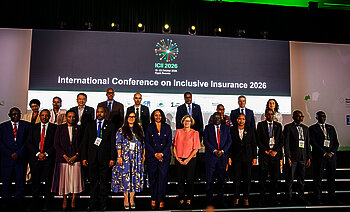
Rwanda Hosts ICII 2026 to Expand Inclusive Insurance and Build Resilience
Rwanda is hosting the International Conference on Inclusive Insurance (ICII) 2026 in Kigali, bringing together leaders from the public and private…

Rwanda and IMF Reach Agreement on First Review of Extended Credit Facility Program
Kigali, October 6, 2026 — The Government of Rwanda has concluded discussions with the International Monetary Fund (IMF) on the first review of the…
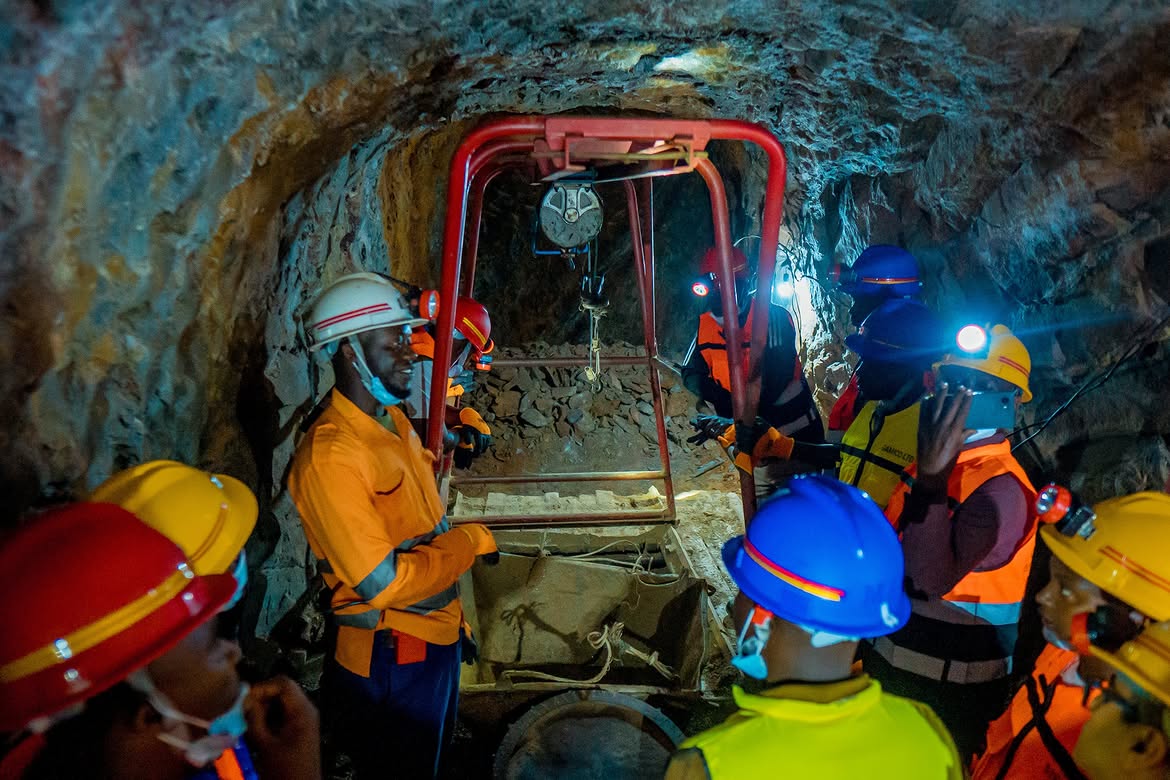
Rwanda Explores Climate Insurance to Protect Miners and Quarry Workers
Mining and quarrying are one of Rwanda's fastest-growing sectors, employing about 92,000 people in 2025. Yet many workers, especially casual and…

Cabinet Approves Rwanda Development Cooperation Policy 2026–2050
Cabinet has approved the Rwanda Development Cooperation Policy (RDCP) 2026–2050, replacing the Aid Policy of 2006 and reflecting the evolving global…

Rwanda Marks World Population Day
Nyagatare, 17 September 2026 —Rwanda marked the 2026 World Population Day in Nyagatare District, bringing together government representatives, young…

Rwanda’s Economy Grows by 9.4% in Q2 2026
Rwanda’s economy remained resilient in the second quarter of 2026, growing by 9.4% supported by strong performance in industry, services and…

Fitch Reaffirms Rwanda’s ‘B+’ Credit Rating with a Stable Outlook
Rwanda’s creditworthiness remains resilient. Fitch Ratings has reaffirmed Rwanda’s Long-Term Foreign-Currency Issuer Default Rating at ‘B+’, with a…

Rwanda Hosts ESAAMLG Annual Meetings to Strengthen Regional Response to Financial Crime
Kigali, 7 September 2026 – Rwanda hosted the 2026 Annual Meeting of the Eastern and Southern Africa Anti-Money Laundering Group (ESAAMLG), bringing…

Rwanda Closes Dual-Currency EUR/JPY Commercial Loan Facility
Kigali August 26, 2026: The Ministry of Finance and Economic Planning of the Republic of Rwanda (B+/B2/B+) announces the successful closing of a…