Policy Experts and Private Sector discuss inflation trends and containment measures

February 23, 2023: The Ministry of Finance and Economic Planning, in collaboration with, GIZ and Economic Policy Research Network (EPRN), has organized a Public-Private Policy Dialogue aimed at shedding light on the patterns and drivers of inflation as well as discuss ongoing containment measures.
The one-day event brings together monetary, fiscal, trade, and agriculture policy analysts, as well as members of the private sector.
The year 2022 brought about different global economic challenges, among those is the Russian-Ukraine war that exacerbated the increase of commodity prices and supply chain disruptions, which led to high inflation. In Rwanda, lower domestic food supply linked to the unfavorable weather conditions and higher prices of agriculture inputs such as fertilizers and seeds led to an increase in food prices and distribution across the country.
With higher prices of key commodities such as fuel and food, in addition to disrupted input supply chains, the industry, especially manufacturing, and service sectors saw their costs of production increasing, triggering an increase in the prices of domestically processed products and services. A similar phenomenon was observed in the region and overseas, including among Rwanda’s trading partners, leading to higher prices of imports to Rwanda. These shocks explain the 13.9 percent headline inflation recorded in Rwanda in 2022.
Dr. Patrick Hitayezu, the Chief Economist at The Ministry of Finance and Economic Planning said: “The Government of Rwanda is acutely aware that high inflation is imposing significant hardship, straining budgets and shrinking what paychecks will buy. We are therefore gathered here to discuss efforts and progress of policymakers towards restoring price stability to Rwanda’s economy for the benefit of the Rwandan people”.
In reaction to steep rise in prices, Government employed a multipronged approach to curb inflation. To safeguard the gains in economic recovery, the National Bank of Rwanda has been proactively implementing monetary policy measures to stabilize prices. These include raising the Central Bank Rate (CBR) by 250 basis points since 2022 to mute demand pressures. Speaking at the Forum, Dr. Thierry Kalisa, the Chief Economist at the Central Bank noted that Recent global and domestic economic developments indicate that inflation is likely to remain high in coming months before easing to our benchmark below 8% by the end of 2023.
To manage the food supply shocks that triggered food price hikes all over the country, the Ministry of Agriculture and Animal Husbandry has been implementing targeted measures such as scaling up irrigation schemes, increasing land under consolidation, subsidization of agriculture inputs such as fertilizer and seeds as well as increasing seasonal fertilizer and seed use.
To contain imported inflation, The Ministry of Trade and Industry continued to spearhead efforts to contain speculative tendencies and conduct inspections, while diversifying import sources for major foodstuffs such as sugar and cooking oil and increasing domestic production capacity of essential goods such as bar soaps and cooking oil).
These efforts are yielding positive results, as witnessed by a significant reduction in monthly price increase over the last couple of months. In addition to the ongoing measures, government will continue to address the cost of living by increasing spending social protection activities, reducing the fuel levies to contain fuel prices from flaring above the affordable level, providing transport subsidies for commuters in public transport, and increasing the fertilizer subsidies.
Topics
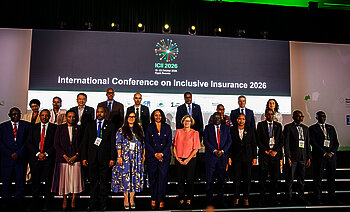
Rwanda Hosts ICII 2026 to Expand Inclusive Insurance and Build Resilience
Rwanda is hosting the International Conference on Inclusive Insurance (ICII) 2026 in Kigali, bringing together leaders from the public and private…

Rwanda and IMF Reach Agreement on First Review of Extended Credit Facility Program
Kigali, October 6, 2026 — The Government of Rwanda has concluded discussions with the International Monetary Fund (IMF) on the first review of the…
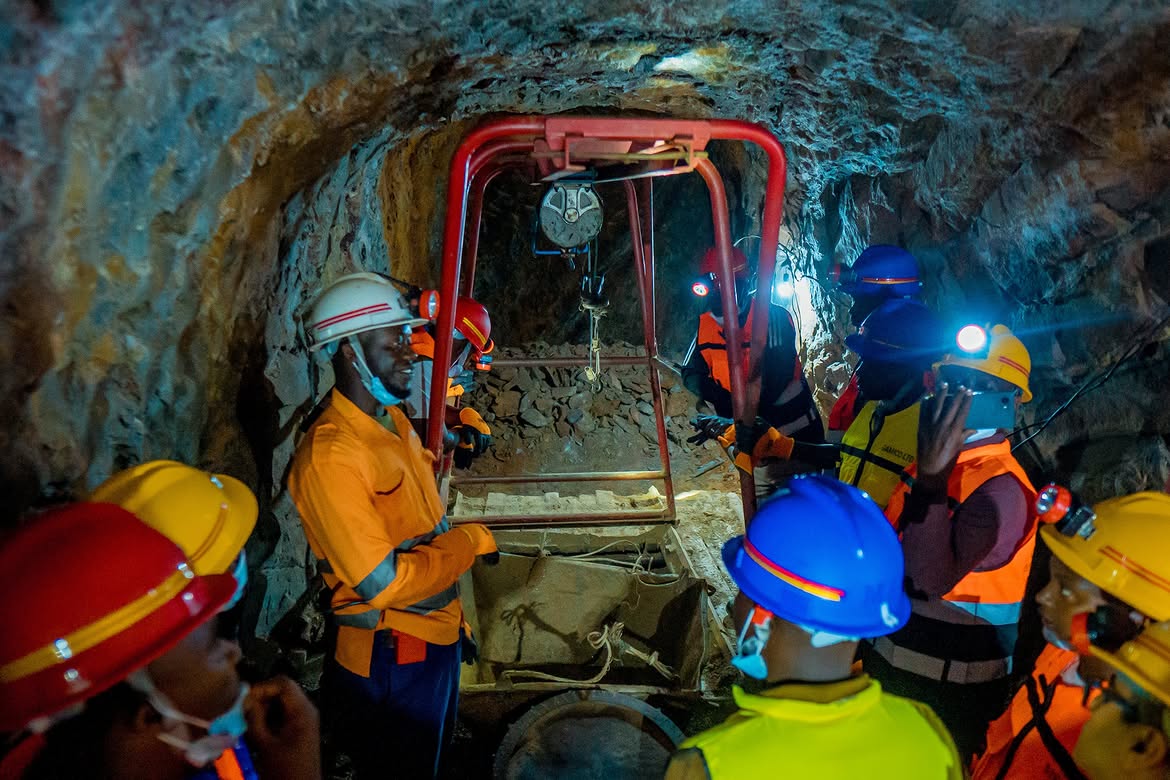
Rwanda Explores Climate Insurance to Protect Miners and Quarry Workers
Mining and quarrying are one of Rwanda's fastest-growing sectors, employing about 92,000 people in 2025. Yet many workers, especially casual and…

Cabinet Approves Rwanda Development Cooperation Policy 2026–2050
Cabinet has approved the Rwanda Development Cooperation Policy (RDCP) 2026–2050, replacing the Aid Policy of 2006 and reflecting the evolving global…

Rwanda Marks World Population Day
Nyagatare, 17 September 2026 —Rwanda marked the 2026 World Population Day in Nyagatare District, bringing together government representatives, young…

Rwanda’s Economy Grows by 9.4% in Q2 2026
Rwanda’s economy remained resilient in the second quarter of 2026, growing by 9.4% supported by strong performance in industry, services and…

Fitch Reaffirms Rwanda’s ‘B+’ Credit Rating with a Stable Outlook
Rwanda’s creditworthiness remains resilient. Fitch Ratings has reaffirmed Rwanda’s Long-Term Foreign-Currency Issuer Default Rating at ‘B+’, with a…

Rwanda Hosts ESAAMLG Annual Meetings to Strengthen Regional Response to Financial Crime
Kigali, 7 September 2026 – Rwanda hosted the 2026 Annual Meeting of the Eastern and Southern Africa Anti-Money Laundering Group (ESAAMLG), bringing…

Rwanda Closes Dual-Currency EUR/JPY Commercial Loan Facility
Kigali August 26, 2026: The Ministry of Finance and Economic Planning of the Republic of Rwanda (B+/B2/B+) announces the successful closing of a…