Rwanda Converts World Bank Loans into Japanese Yen to Reduce Debt Risk

The Ministry of Finance and Economic Planning (MINECOFIN) has converted two World Bank loans, one for USD 126 million and one for EUR 68 million, into Japanese yen. The loans have variable interest rates, meaning their payments can change. By switching them into yen, Rwanda spreads its exposure to foreign currency risk across more currencies.
Why yen?
Over the past five years, the Rwandan Franc has depreciated by an average of 8.0% a year against the US dollar and 7.2% against the euro, but only 1.2% against the yen. Moving these loans in yen should make repayment costs more stable and less exposed to large currency swings. Yen now makes up 5.28% of the mix of currencies in Rwanda’s foreign debt.
The change was made using a conversion option already included in the loans. No new loan agreement was needed. This follows MINECOFIN’s first interest-rate swap earlier in 2026. That deal fixed the interest rate on a euro loan whose rate could change, protecting the budget if global interest rates rise. Together, the two steps show a more active approach to managing debt risks.
Government’s proactive approach to financial risk management reflects both the analytical capacity built over the years and the institutional resolve to act on it.
Topics
S&P Global Ratings Affirms Rwanda’s ‘B+’ Credit Rating with a Stable Outlook
Rwanda’s credit profile remains resilient. In its latest report on Rwanda, published on 16 November 2026, S&P Global Ratings kept the country’s…

Rwanda Calls for Financing Readiness and Greater Domestic Financing at Bonds, Loans & ESG Africa 2026
Rwanda is hosting the Bonds, Loans & ESG Africa 2026 conference, bringing together governments, financial institutions, investors, development finance…
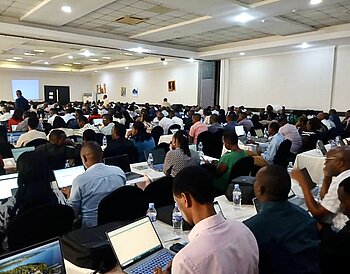
Planning and Budgeting Officials Undergo 3-Week Workshop on FY 2027/28 Planning and Budgeting Cycle
Central and local government planning and budgeting officials have begun a three-week workshop on the planning and budgeting cycle for Fiscal Year…
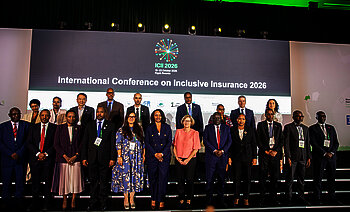
Rwanda Hosts ICII 2026 to Expand Inclusive Insurance and Build Resilience
Rwanda is hosting the International Conference on Inclusive Insurance (ICII) 2026 in Kigali, bringing together leaders from the public and private…

Rwanda and IMF Reach Agreement on First Review of Extended Credit Facility Program
Kigali, October 6, 2026 — The Government of Rwanda has concluded discussions with the International Monetary Fund (IMF) on the first review of the…
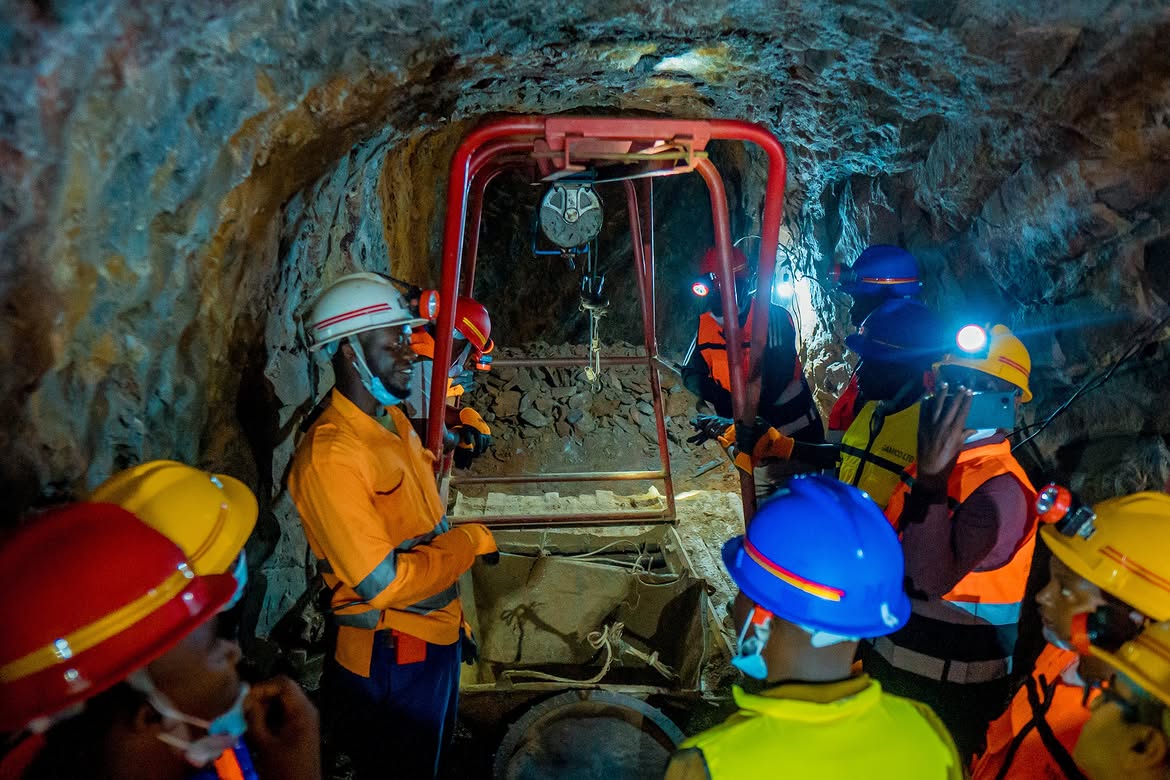
Rwanda Explores Climate Insurance to Protect Miners and Quarry Workers
Mining and quarrying are one of Rwanda's fastest-growing sectors, employing about 92,000 people in 2025. Yet many workers, especially casual and…

Cabinet Approves Rwanda Development Cooperation Policy 2026–2050
Cabinet has approved the Rwanda Development Cooperation Policy (RDCP) 2026–2050, replacing the Aid Policy of 2006 and reflecting the evolving global…

Rwanda Marks World Population Day
Nyagatare, 17 September 2026 —Rwanda marked the 2026 World Population Day in Nyagatare District, bringing together government representatives, young…

Rwanda’s Economy Grows by 9.4% in Q2 2026
Rwanda’s economy remained resilient in the second quarter of 2026, growing by 9.4% supported by strong performance in industry, services and…