Rwanda Registers 8.9% Growth, Confident in Economic Outlook

Rwanda's economy grew by 8.9% in 2024, following impressive quarterly performances of 9.7% in Q1, 9.8% in Q2, 8.1% in Q3, and 8% in Q4.
According to data released by the National Institute of Statistics of Rwanda (NISR), the GDP at current market prices was estimated at Frw 18,785 billion, up from Frw 16,626 billion in 2023. The services sector contributed 48% to the GDP, agriculture accounted for 25%, and industry made up 21%.
During the announcement of the GDP figures, Minister of Finance and Economic Planning Yusuf Murangwa highlighted the strong growth in 2024 and expressed confidence in Rwanda's medium-term economic outlook. “We are very confident that our economic outlook is positive, despite short-term fluctuations,” Minister Murangwa stated.
The overall growth in 2024 was primarily driven by the service sector, which recorded a 10% increase. The industrial sector also grew by 10%, while agriculture grew moderately by 5%.
In agriculture, food crop production rose by 5% due to good harvests in both agricultural seasons. Season A saw an increase of 8%, while Season B grew by 2%. However, production of export crops decreased by 1%, as a moderate rise of 2% in coffee production and 1% in tea production was offset by an 8% decline in other cash crops, including pyrethrum and sugarcane.
In the industrial sector, mining and quarrying decreased by 12%, while construction activities increased by 12%. Manufacturing activities saw a growth of 7%, fueled by a 20% increase in the production of metal products, machinery, and equipment; a 15% rise in non-metallic mineral products; a 15% boost in chemicals, rubber, and plastic products; a 10% increase in textiles, clothing, and leather; and a 2% growth in food processing.
Within the services sector, wholesale and retail trade surged by 18%. Transport activities increased by 9%, with air transport growing by 18% and land transport by 10%. Other notable growth areas included hotels and restaurants at 11%, information and communication services at 25%, financial services at 7%, public administration services at 10%, and education services at 5%.
Topics
Rwanda Converts World Bank Loans into Japanese Yen to Reduce Debt Risk
The Ministry of Finance and Economic Planning (MINECOFIN) has converted two World Bank loans, one for USD 126 million and one for EUR 68 million,…
S&P Global Ratings Affirms Rwanda’s ‘B+’ Credit Rating with a Stable Outlook
Rwanda’s credit profile remains resilient. In its latest report on Rwanda, published on 16 November 2026, S&P Global Ratings kept the country’s…

Rwanda Calls for Financing Readiness and Greater Domestic Financing at Bonds, Loans & ESG Africa 2026
Rwanda is hosting the Bonds, Loans & ESG Africa 2026 conference, bringing together governments, financial institutions, investors, development finance…
Planning and Budgeting Officials Undergo 3-Week Workshop on FY 2027/28 Planning and Budgeting Cycle
Central and local government planning and budgeting officials have begun a three-week workshop on the planning and budgeting cycle for Fiscal Year…
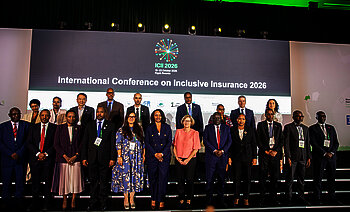
Rwanda Hosts ICII 2026 to Expand Inclusive Insurance and Build Resilience
Rwanda is hosting the International Conference on Inclusive Insurance (ICII) 2026 in Kigali, bringing together leaders from the public and private…

Rwanda and IMF Reach Agreement on First Review of Extended Credit Facility Program
Kigali, October 6, 2026 — The Government of Rwanda has concluded discussions with the International Monetary Fund (IMF) on the first review of the…
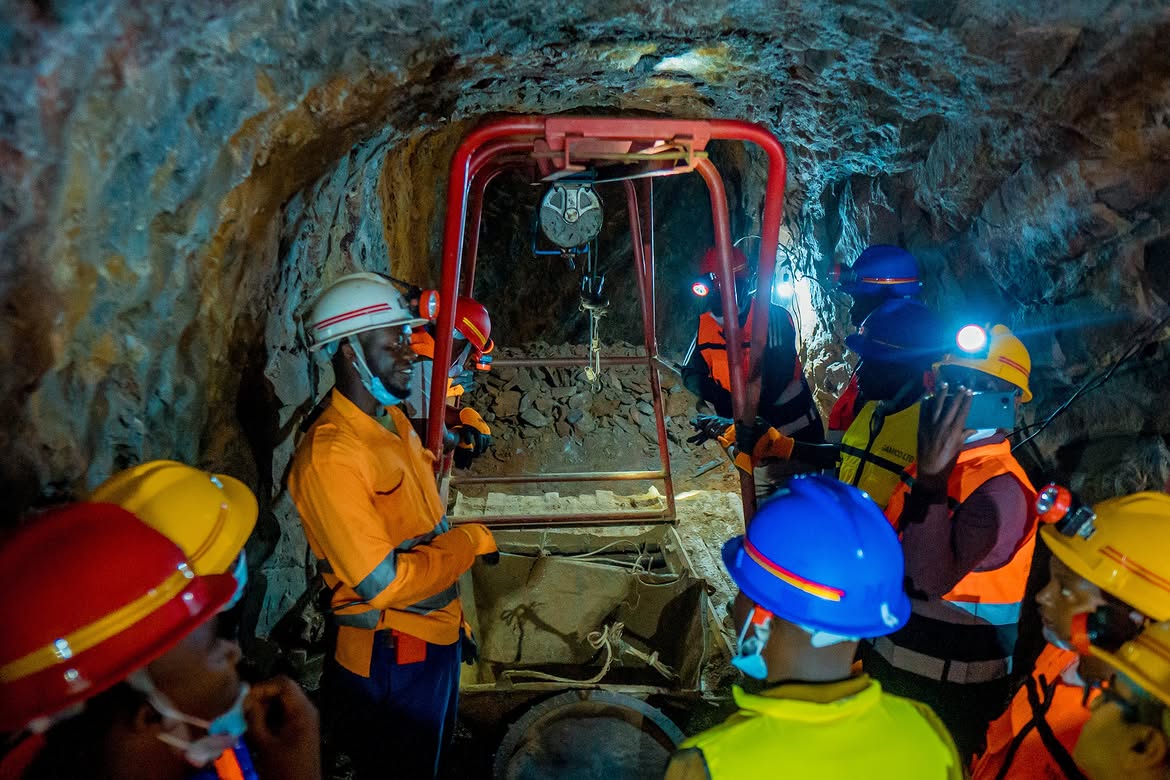
Rwanda Explores Climate Insurance to Protect Miners and Quarry Workers
Mining and quarrying are one of Rwanda's fastest-growing sectors, employing about 92,000 people in 2025. Yet many workers, especially casual and…

Cabinet Approves Rwanda Development Cooperation Policy 2026–2050
Cabinet has approved the Rwanda Development Cooperation Policy (RDCP) 2026–2050, replacing the Aid Policy of 2006 and reflecting the evolving global…

Rwanda Marks World Population Day
Nyagatare, 17 September 2026 —Rwanda marked the 2026 World Population Day in Nyagatare District, bringing together government representatives, young…